
Why Community Needs Assessments Still Matter — And What We Lose When We Skip Them
By Alexandra Piatkowski

Community needs assessments are so common in public health that they’re sometimes seen as routine. A requirement. A checkbox. Something we do because it’s expected.
But when we strip away the buzzwords and templates, the purpose remains deeply meaningful:
A needs assessment is an opportunity to stop assuming and start listening.
In a time when communities continue to face inequities in healthcare access, housing, food security, mental health supports, and more — listening is not optional. It’s the foundation of meaningful public health work.
Moving Beyond Assumptions
When services, programs, or strategies are developed without a genuine assessment, decisions are often made based on:
What we think people need
What has been done before
What fits existing funding structures
Or what is most convenient to deliver
And even with the best intentions, this can cause harm. Communities can feel unheard, misunderstood, or overlooked. Resources can be poured into solutions that don’t solve real problems.
A thoughtful needs assessment changes that. It grounds decisions in evidence — both quantitative data and lived experience. It helps us understand not just what is happening, but why, and how the community itself envisions change.
Recognizing Strengths, Not Just Gaps
One of the most important shifts in modern needs assessments is moving away from a deficit lens. Communities are not “broken.” They are not simply a list of problems to fix. They hold resilience, networks of care, cultural knowledge, creativity, leadership, and solutions.
A good assessment highlights:
What is already working
Where capacity and strengths already exist
How to build from that foundation
This shift alone can change the tone of partnerships — from service delivery to communities, to collaboration with communities.
Guiding Smart, Strategic Resource Allocation
Resources are limited. And priorities are constantly competing.
Needs assessments provide clarity for:
Funding applications
Program design
Policy decisions
Strategic planning
Cross-sector collaboration
They ensure resources go to the issues that truly matter most to people — not the ones we assumed mattered. This is especially critical now as many public health and community organizations are being asked to do more with less.
Strengthening Relationships and Trust
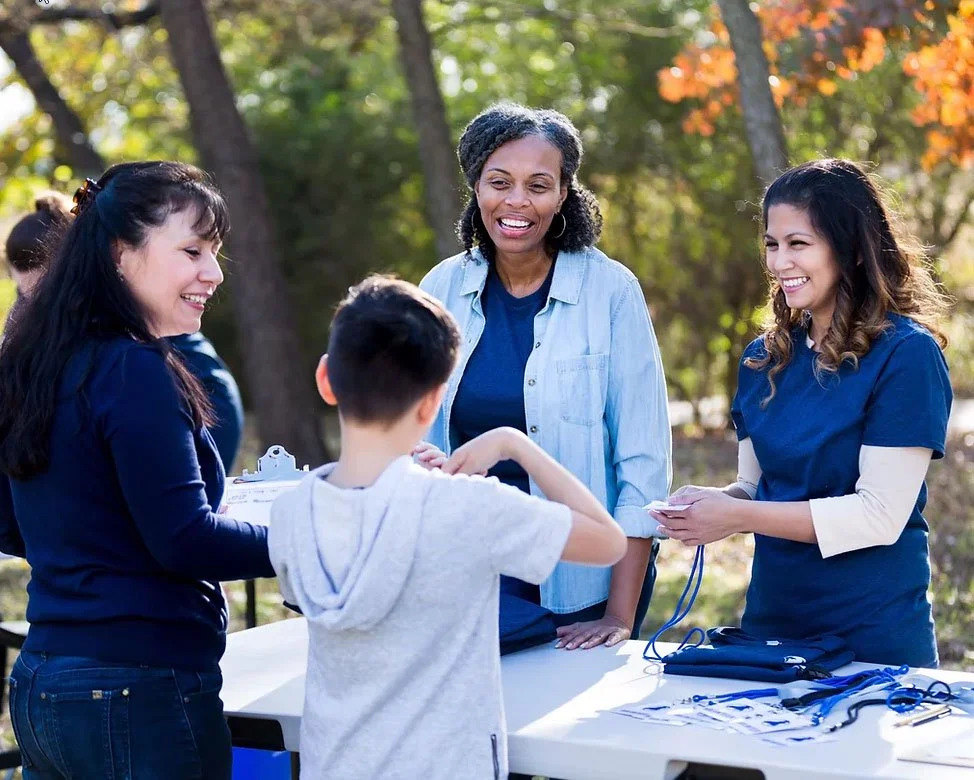
Possibly the greatest value of a needs assessment isn’t the report at the end — it’s the relationships formed and strengthened during the process.
When communities are invited into decision-making:
Trust grows
Collaboration becomes easier
Engagement becomes meaningful rather than transactional
Implementation becomes more successful
Because people support what they helped shape. These relationships should not start and stop with the assessment; they must be continued.
Making Assessments Meaningful
A needs assessment becomes powerful when:
Community members are part of the design, not just the data collection
Findings are reported back in clear and accessible ways
Action is taken — with transparency and follow-through
If a report is produced and shelved, the process has failed. If the assessment strengthens relationships, shifts priorities, and leads to changes that communities can feel — it has succeeded.
The Path Forward
Community needs assessments are not about paperwork, compliance, or checking boxes. They are about listening deeply, building trust, understanding context, and moving from insight to action — together.
In a world where decisions are increasingly fast, reactive, and top-down, choosing to pause and listen is not just valuable — it’s necessary. Because the strongest solutions don’t come from the top, they come from community.
If your organization is preparing for a CHNA/CHIP or wants to strengthen your approach to community engagement, we’d be happy to chat.
You don’t have to navigate it alone.
📩 Book a discovery call: https://calendly.com/alexandra-piatpublichealth
🗺️ Download our Insight to Impact Roadmap: https://www.piatpublichealth.ca/insighttoimpact
