
From Epidemiologist to Entrepreneur: Why I Had to Unlearn Everything I Knew About “Expertise”
By Alexandra Piatkowski

Credit: Heather Shannon Photography
Five years ago, if you’d told me I’d be running my own public health consulting business, I would have laughed. At the time, I was deep in the world of epidemiology, project management, and community and stakeholder engagement. I was focused on being the technical expert in the room — the person who could analyze the data, synthesize the evidence, and translate it into clear recommendations.
But stepping into entrepreneurship has been humbling. It forced me to realize that the version of “expertise” I carried with me wasn’t going to be enough — and, in some ways, it was even holding me back.
Expertise in Public Health vs. Expertise in Business
In public health, expertise is about precision and credibility. You gather the data, follow the evidence, and present findings in ways that withstand scrutiny. Your authority comes from deep knowledge, years of training, and the ability to answer questions with confidence.
In entrepreneurship, expertise looks completely different. Nobody expects you to have every answer at your fingertips — in fact, pretending you do can make you less relatable. What matters is curiosity, flexibility, and the willingness to ask questions rather than answer them. Expertise in business isn’t about what you know; it’s about how quickly you can learn, adapt, and create value for others.
The Shift: From Knower to Learner
One of the hardest shifts for me was unlearning the instinct to prove myself. As a consultant and entrepreneur, my value isn’t in having all the answers. It’s in creating the conditions for collaboration, insight, and action. That means listening more than speaking. It means co-designing solutions instead of delivering a report from on high. And it means leaning into vulnerability — admitting when I don’t know, and trusting the process of learning alongside my clients and collaborators.
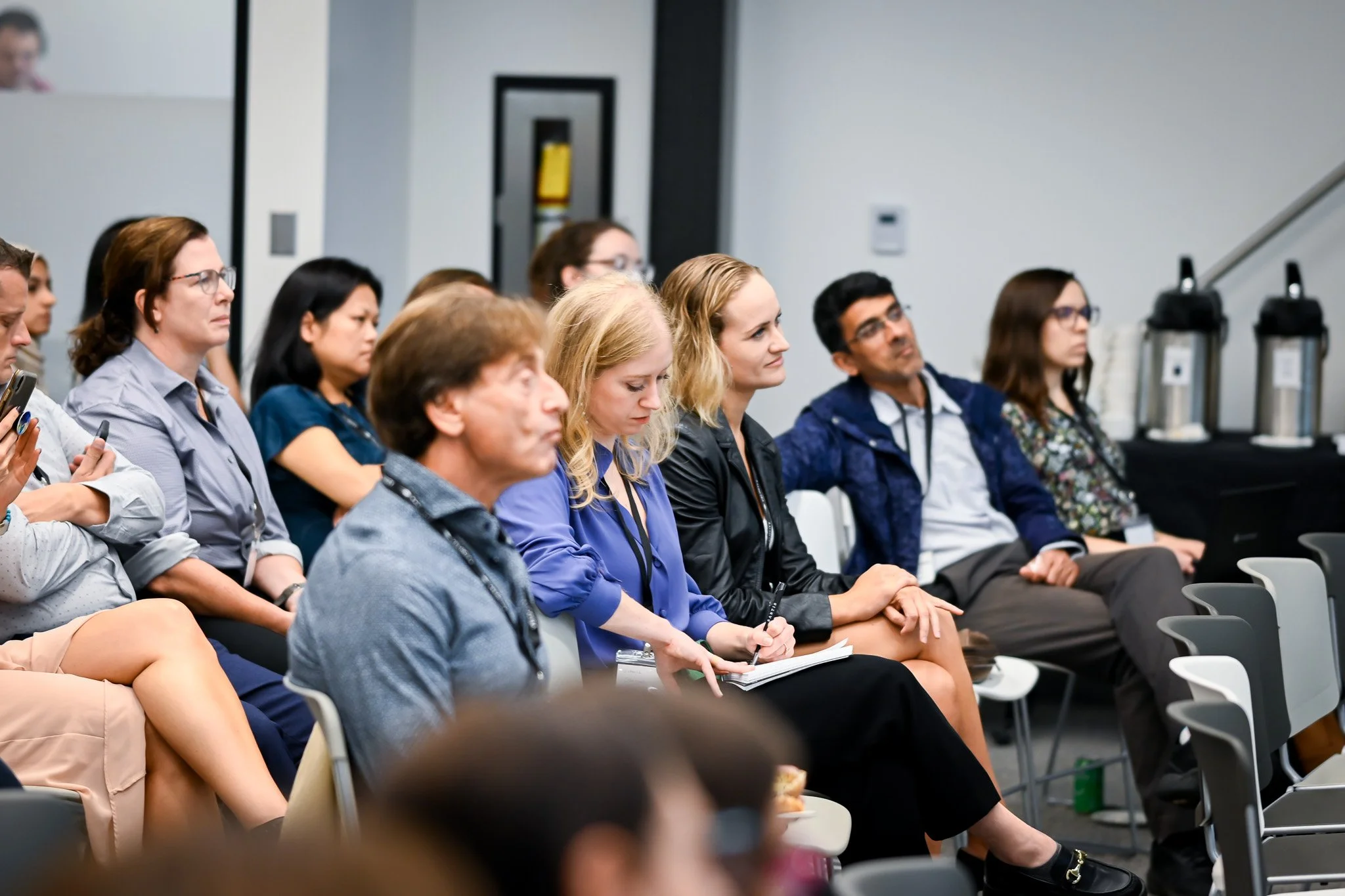
Photo Credit: Velocity
Redefining Expertise
Today, I define expertise less as what I know, and more as what I can help unlock. Expertise is:
Creating space for others’ voices, especially those often left out.
Bridging across disciplines — epidemiology, project management, community engagement, evaluation — and showing how they fit together.
Turning complexity into clarity, not by knowing everything, but by asking the right questions and guiding others to insight.
Why It Matters
Public health problems are too complex for any one person to be “the expert.” If we cling to narrow definitions of expertise, we shut out the lived experiences, community voices, and cross-sector knowledge that we desperately need.
Becoming an entrepreneur taught me that my role isn’t to be the smartest person in the room. My role is to help bring the right people into the room, elevate their expertise, and co-create strategies that actually work.
Final Reflection
Five years ago, I thought expertise was about answers. Today, I know it’s about questions, connections, and humility. Launching Piat Public Health has been the most challenging and rewarding experience of my career — and it’s taught me that letting go of old definitions of expertise can open the door to deeper impact and more meaningful change.

Solo trip to Greece to celebrate the official launch of Piat Public Health!
